うつろ舟に関する最新の分析
前置き
うつろ舟(虚ろ舟)については過去記事(*1)でも取り上げたが、最新の 情報/分析 など初耳の情報が盛り込まれた動画 (2024-03-17) を見かけた。動画の 56:36 から最期までが相当。該当部分の文字起こし+和訳+切り出し静止画 をつけておく。
(*1)
「うつろ舟」の研究者 (2014-04-14)
❏ うつろ舟に関して頂いたコメントについて (2023-11-19)
切り出し静止画
検索用:静止画に含まれる固有名詞
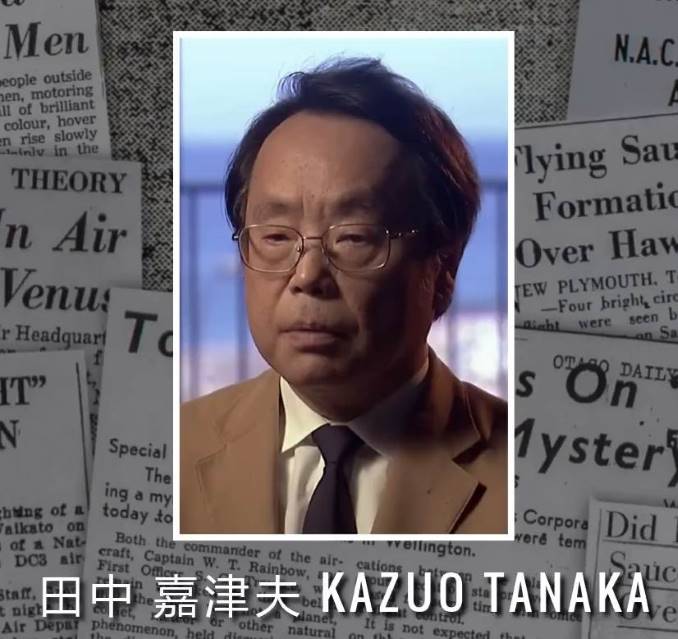
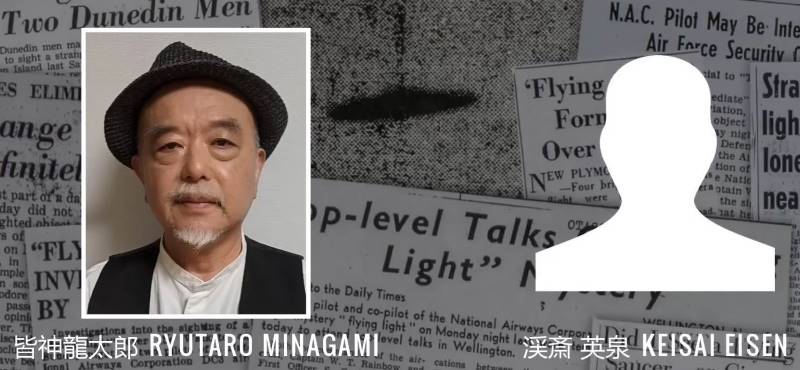
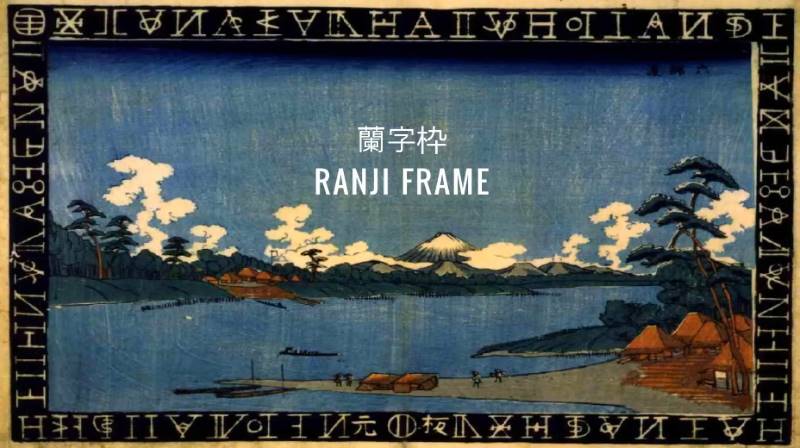
柳田國男、田中嘉津夫、皆神龍太郎、渓斉英泉、蘭字枠、松田美沙子、星福寺
FasterWhisper AI(large-v2 model) + DeepL(2024-07 model)
▼和訳 展開
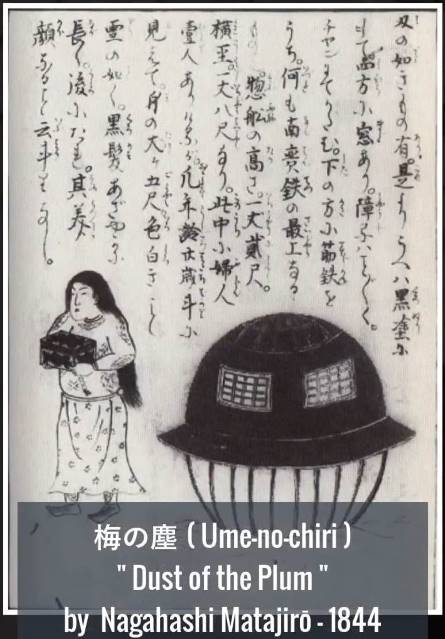
そして、1844年に書かれた長橋又次郎の『上野千里』である。この物語は世界中のUFOコミュニティを魅了し、主に空飛ぶ円盤の古典的な描写に酷似した、文章に添えられた芸術的な描写のために、日本の近代文化で人気を博した。この事件は1803年の「舟篤郎UFO事件」として知られるようになり、信奉者と懐疑論者の間で多くの議論と論争を巻き起こした。何人かの歴史学者や民俗学者、またさまざまな分野の研究者が、この伝説を日本の民間伝承の中の長年の伝統の一部として論じている。 (0:57:10)
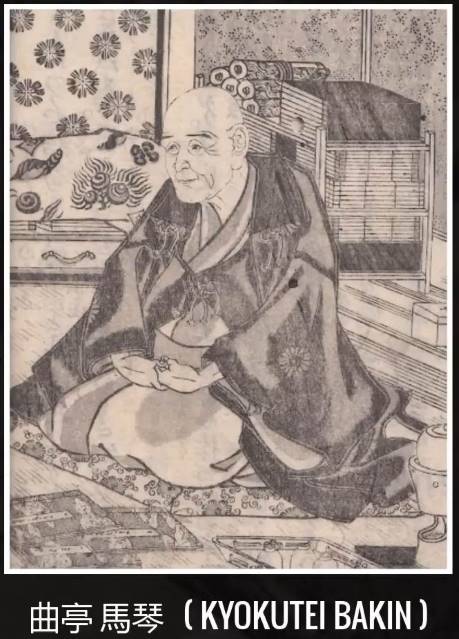
一方、UFO研究家や古代宇宙飛行士説の支持者は、この話は地球外生命体との第三の接近遭遇の証拠になりうると主張している。これから述べる物語の記述や詳細のほとんどは、曲亭馬琴の写本である『武藤園小説』によるものである。ストーリーは次のようなものである。 (0:57:38)
全ては常陸国の沿岸地方、針取海岸近くの小さな村から始まった。住民は平和で質素な生活を送っていた。 (0:57:55)
彼らの生活は漁業を中心とした平凡なものだった。 そんなある日、村の平穏を乱す奇妙な事件が起こった。 1803年のある朝、地元の漁師たちが新鮮で豊かな獲物を求めて忙しく網を打っていると、遠くを漂う船のようなものに気づいた。しかし、何やら様子がおかしい。その姿は彼らにとって非常に見慣れないもので、普段目にする従来の船とは似ても似つかないものだった。 (0:58:28)
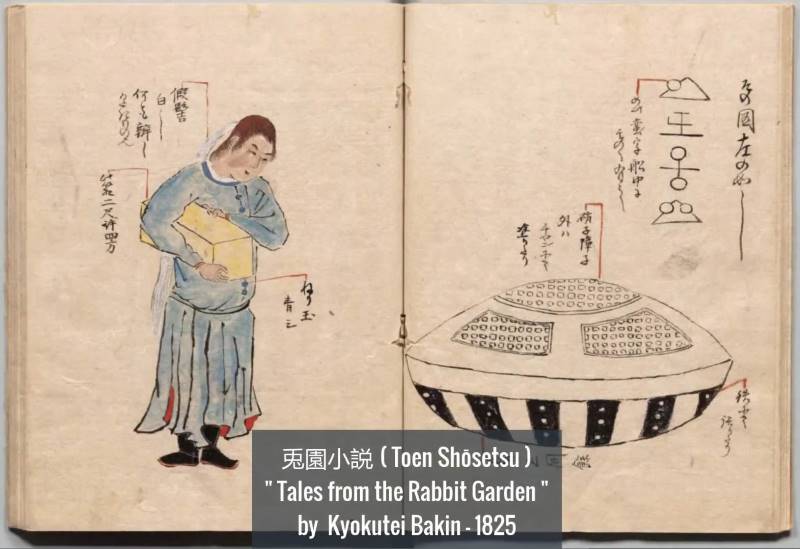
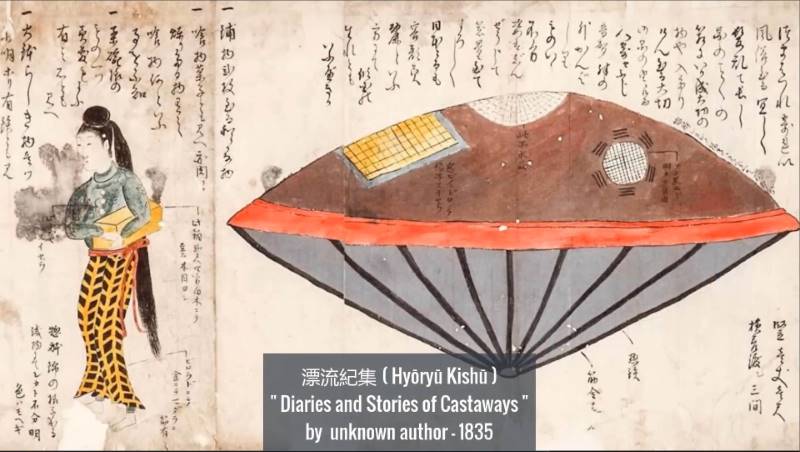
興味をそそられ、心配になった数人の漁師たちは、自ら進んで状況を調査した。 彼らはゆっくりと慎重に謎の船に近づき、ロープを付けて陸まで曳航した。陸に上がると、彼らはその物体を詳しく調べた。 高さ3.30メートル、幅5.45メートル。上部は赤漆塗りのローズウッドでできているようで、ガラスかクリスタルでできた3つの窓があり、金属の格子で覆われ、木の樹脂のようなものが詰まっていた。ガラスは厚く、中身を見るのは難しい。 (0:59:10)
厚くなった縁が船の中央部分を囲んでいた。下部は金属板で覆われており、最高級の鉄製と思われた。物体の全体的な形は、漁師たちに木製の飯盒を連想させた。また、それをご飯の入った茶碗に例える人もいれば、香炉に例える人もいた。 (0:59:37)
何人かの漁師は、その物体が完全に固いものかどうか確かめるために叩いたが、その物体が発する空洞の音に驚いた。突然、窓の一つがハッチのように開き、謎めいた女性が船から出てきた。 彼女は一人の乗客だった。20代前半と思われ、身長は1.5メートルを超えていた。
(1:00:04)
彼女は赤い髪と眉毛をしており、髪は人工的な白いエクステンションで伸びていた。白い毛皮でできているのか、あるいは白い粉をまぶした細い繊維でできているのか。 この髪型は日本人にはまったく知られていなかった。彼女は未知の織物でできた長くて滑らかな服を着ていた。船から降りるとき、彼女はいつも握りしめていた黄色い箱を手に取り、目撃者がどんなに親切に頼んでも、どんなにしつこく頼んでも、誰にも触らせなかった。 (1:00:33)
その中身が何であれ、彼女にとっては大きな価値があったに違いない。漁師たちは彼女とコミュニケーションを取ろうとしたが、彼女は未知の言語で話したため、身元や出自を特定することはできなかった。 漁師たちは漁師とコミュニケーションを取ろうとしたが、漁師は彼女の身元も出自もわからないまま、未知の言語で話した。ハッチのような窓から船内に入ると、内部は未知の言語で書かれた文章や記号で飾られていた。 (1:01:03)
どの話を読むかによって、物体の内部にも外部にもシンボルがあった。船内のシンボルのひとつは、韓国の朝鮮王朝の旗に似ていたとも言われている。
(1:01:28)
他の資料では、美しい装飾が施されたカップが発見されたと書かれており、その装飾品は誰も識別できなかったという。 (1:01:35)
村人たちはその女性を拘束し、どうするか決めようとした。 その場に居合わせた目撃者の一人、近くの村の老人は、彼女はおそらく外国の王女で、婚外恋愛のために父親から追放され、その結果恋人が処刑されたのだろうと推理した。 その後、彼女は力ずくでこの船に乗せられ、海のなすがままにされた。 (1:02:01)
箱の中には恋人の切断された首が入っており、そのため彼女は誰にもそれを持たせたくなかった。さらに老人は、過去によく似た女性が乗った船が、近くの浜辺に漂着したと主張した。その際、頭の固定された小さな板が見つかったという。 (1:02:25)
したがって、箱の中身は同じである可能性がある。もしこの説が正しいと判明すれば、政治的な問題に発展するだろうし、その女性と彼女の船を調査するためには多くのお金と時間がかかるので、何らかのコストがかかることになる。 (1:02:42)
海でその船をさらすのは伝統のようなので、村人たちは女性を謎の船に連れ戻し、そのまま漂流させるべきだと考えた。漁師たちは身振り手振りを交えて、女性を無理やりボートに戻した。そして、ボートを海へ押し戻し、ボートがゆっくりと見えなくなっていくのを見送った。 (1:02:59)
彼女は二度と姿を見せなかった。 原稿を書いた曲亭馬琴は、この女性はイギリスかロシアかアメリカから来た外国人ではないかと推測している。本文の最後には、この事件に関する情報を持っている人は名乗り出て、知識を共有してほしいという著者の願いが記されている。 1844年、曲亭馬琴が宇津呂舟事件の最初の歴史的調査を行った。彼は金森金軒著の『露西亜文金録』という書物に出会った。
(1:03:47)
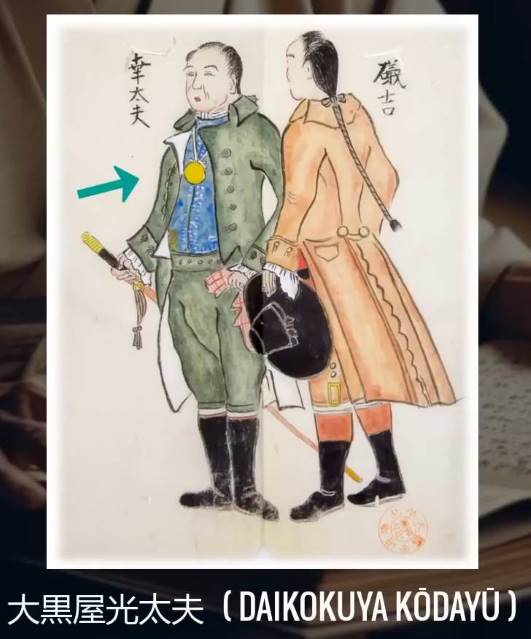
この本には、ロシア女性の多くが自然な赤毛であること、伝説の貴婦人と同じようなスカートをはいていることなどが書かれている。この本の記述は、ロシアで9年間を過ごした日本人漂流者、大黒屋光太夫の体験に基づいている可能性が高い。曲亭馬琴はこの本をもとに、うつろ舟事件の女性がロシア系である可能性を示唆した。 (1:04:16)
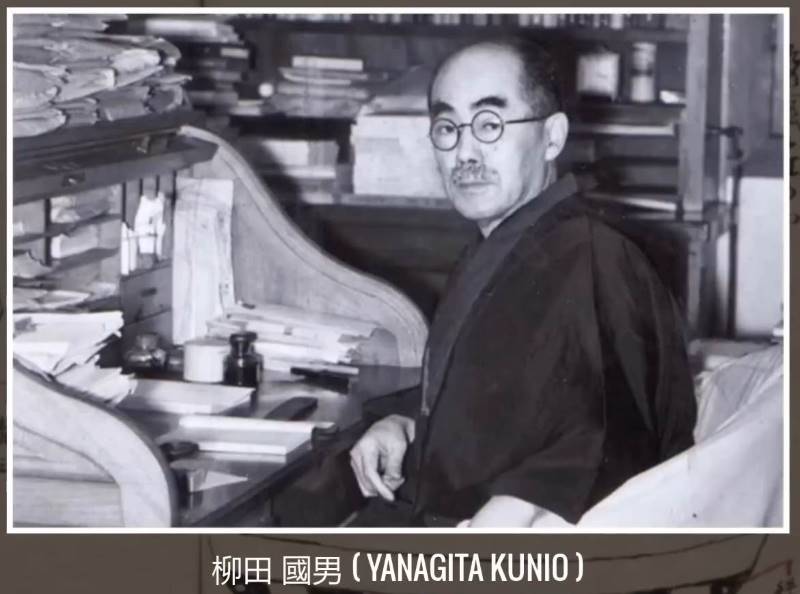
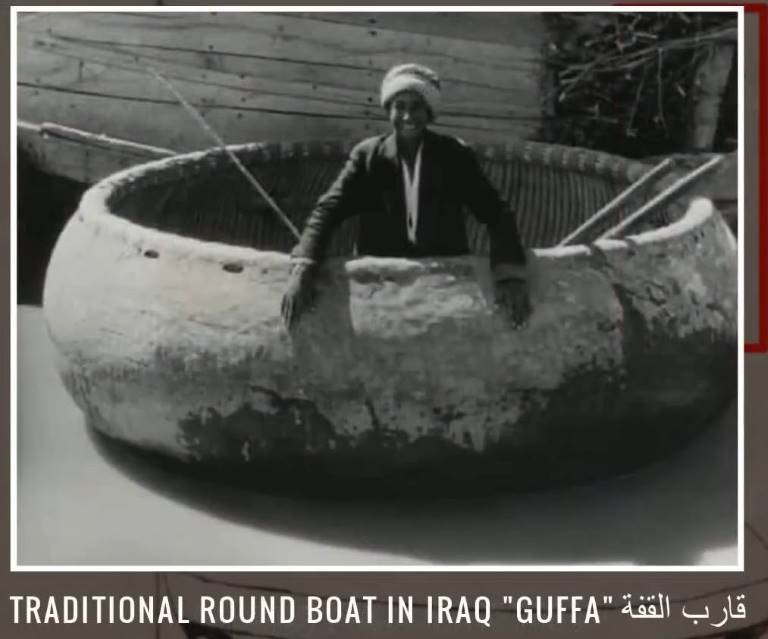
彼はまた、船の内外で発見された異国のシンボルとされるものの起源に疑問を呈した。というのも、彼は東円抄雪に乗る少し前に、座礁したイギリスの捕鯨船で同じようなサインを見たことがあると確信しているからである。宇津呂舟事件のさらなる調査は、1925年から1962年にかけて、民族学者で歴史家の稲下國男によって行われた。彼は、円形の船は日本やアジア一般では珍しいものではないと指摘した。 (1:04:46)
船をエキゾチックに見せていたのは、木の樹脂が詰まったガラス窓と金属板だけだった。 (1:04:51)
邦夫氏は、この報道は「うつろ舟」あるいは「うつぼ舟」として知られる、古くから日本人の移民に関する国民的な記憶を保存してきた、世代を超えて語り継がれてきた一連の物語として知られる、様々な日本の民間伝承に基づいているようだと付け加えた。 その昔、アジア各地から日本列島に移住してきた人々は、簡素な掘っ立て小屋を使っていた。これらの小舟は「うつろ舟」「うつぼ舟」「うつろ舟」と呼ばれた。日本の島に到着した後、日本の一部の支配的な家族は、自分たちの支配の政治的正当性を強化するために、国の記憶と神話に基づいた伝承を作り出した。 (1:05:36)
これらの物語では、一族の創設メンバー、通常は貴族の女性が、船で海を渡ってきたとされる。そして彼女は誰かに助けられ、たいていの場合は海に戻される。民話の初期のバージョンでは、船は現在南アジアで使われている簡単な掘っ立て小屋だった。しかし、時が経つにつれ、人々は刳り舟の本来の形を忘れてしまった。 (1:06:01)
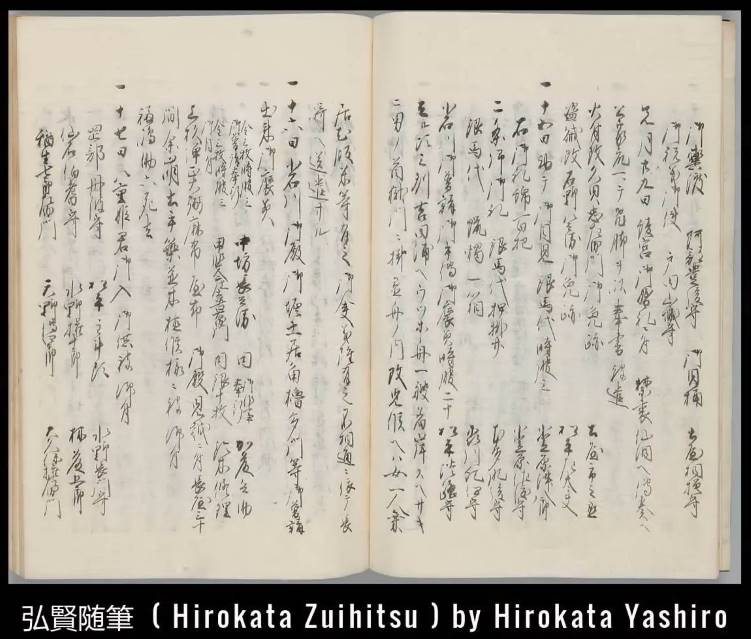
というのも、懐疑論者たちは、このような単純な掘っ立て小屋で、これほど長い距離を海を渡ることは不可能だと主張したからだ。そこで、簡素な船に窓付きのドームが付け加えられた。 日本には他にも、うつろぶねの目撃談に関する文献がいくつかある。例えば、『枚方随筆』という本には、現在の愛知県豊橋市である逸見地方の吉洞に停泊していた丸い船についての記述がある。 (1:06:41)
事件が起きたのは甚六十一年五月、西暦1698年に相当する。船には女が一人乗っており、男の首を箱に入れて運んでいたという。地元の人々は彼女を尋問しようとしたが、言葉が通じなかったため、長崎に送られた。もう一つの日本の伝説は、相生国の河野氏の起源に関するものである。 (1:07:07)
7世紀、五胡島の若五郎という漁師が、海上を漂流していたうつろぶねの中に13歳の少女を見つけた。若五郎は彼女を陸に上げ、自分は中国の皇帝の娘であり、継母から逃れさせられたと告げた。漁師は彼女を若姫(わかひめ)と名付け育てたが、やがて彼女は相生国の皇子と結婚し、河野氏の祖先である赤御子(あかみこ)を産んだ。 (1:07:37)
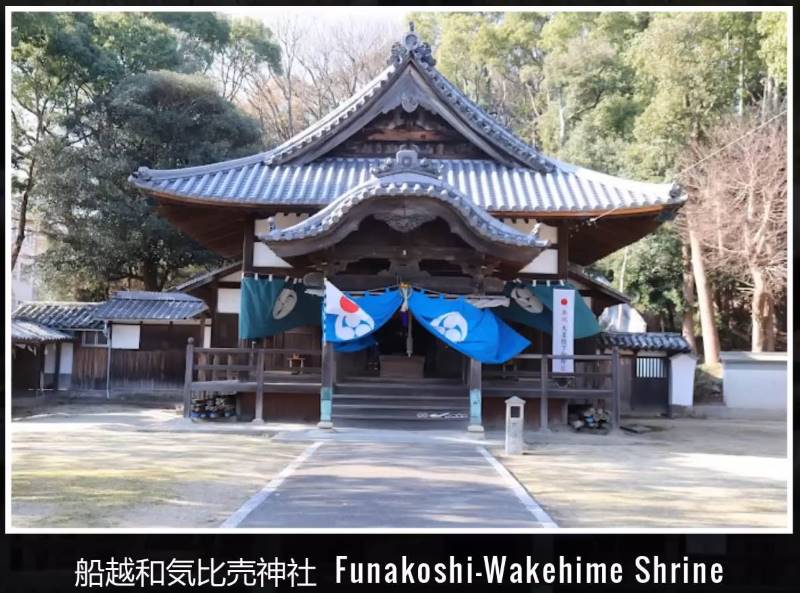
この民話の一部では、彼女が日本に初めて絹の繭をもたらしたとされている。若井姫は今でも五胡島の船越村にある船越若姫神社に祀られている。ウツロ=ブネイの物語と多くの共通点を持つもうひとつの伝説は、カンジキ姫伝説である。紀元前286年、弥生時代の漁師ゴンダベが、海を漂う小さな木造船を発見したという。 (1:08:10)
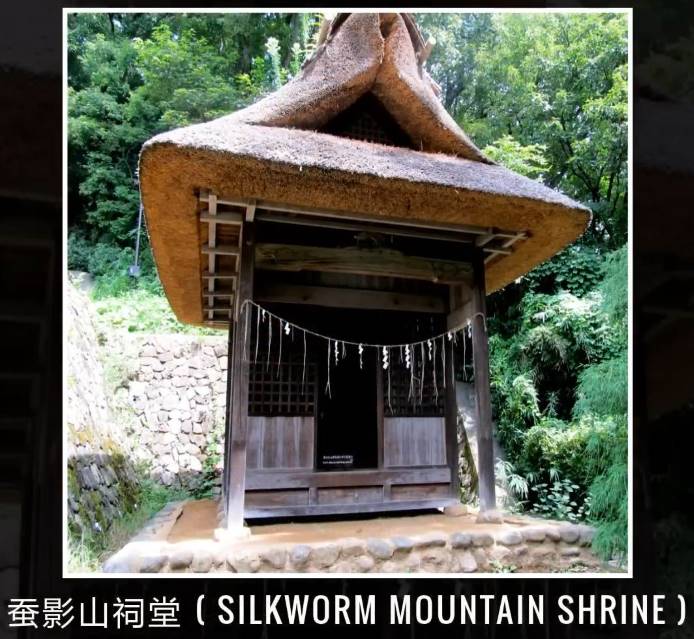
その船の中で、彼は美しい少女を発見し、彼女はインドから来た王女だと説明した。母親が亡くなり、父親が再婚したのだが、継母は彼女がとても美しかったので憎み、離島の山に捨てようと企んだが、奇跡的に生き延びた。インドの王女は漁師夫婦の親切に感謝し、養蚕の秘訣を授ける。 (1:08:38)
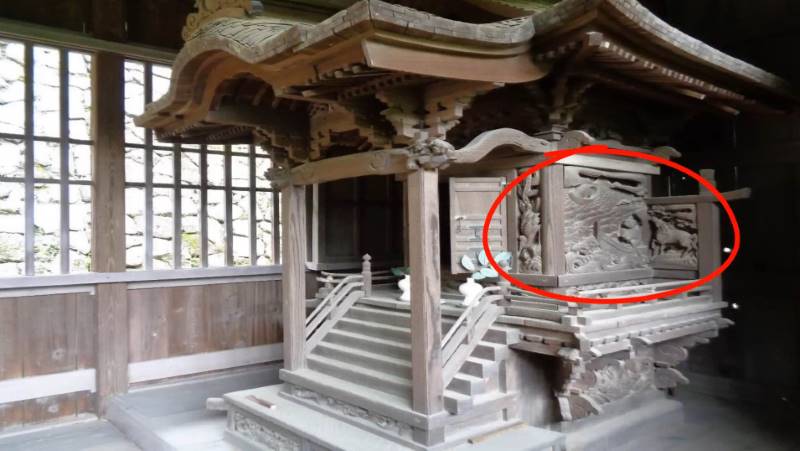
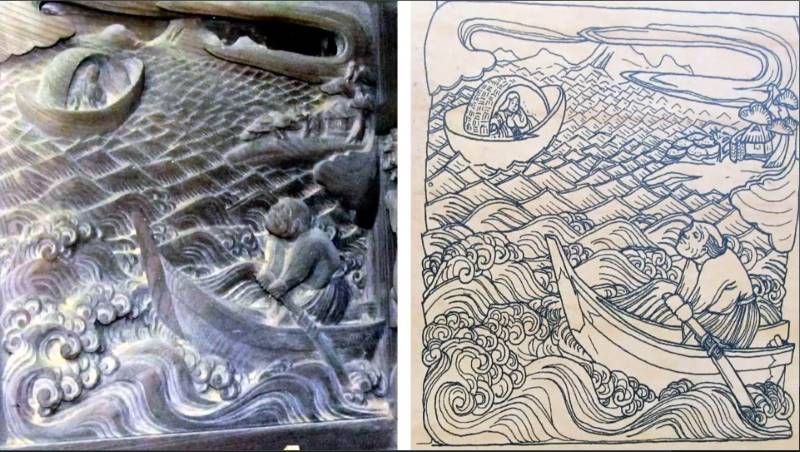
王女が祀られている祠のひとつに、この物語を描いたレリーフ彫刻がいくつかある。
(1:08:55)
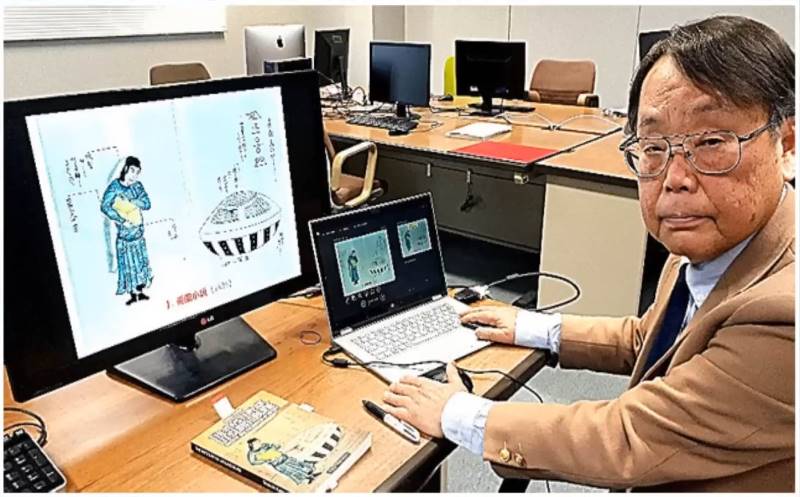
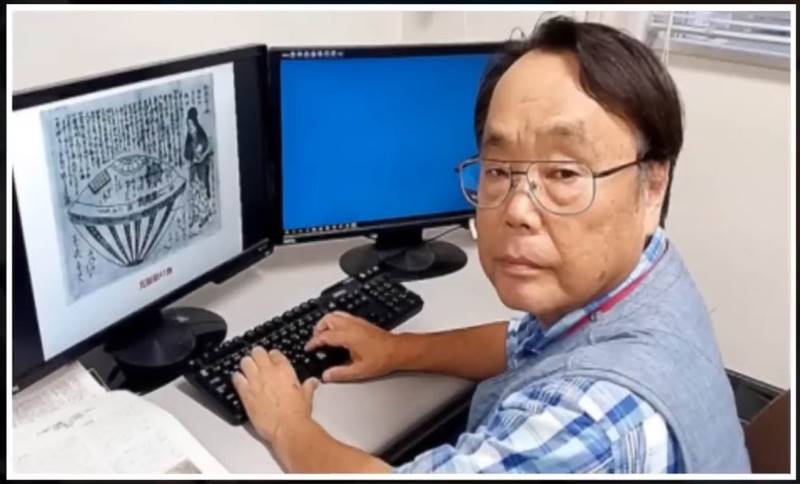
1950年代初頭に現代のUFO現象とUFO学が誕生し、1968年にエリック・フォン・ダニケンが古代宇宙飛行士説を発表したことで、1803年のうつろぶねい事件は以前よりもはるかに注目を集め、多くの歴史家や研究者によって徹底的に調査・研究されるようになった。 その中でも、東京の岐阜大学のコンピューター・電子工学の教授である田中勝雄博士は、謎の解明に多くの時間と労力を費やしたことで有名である。 (1:09:38)
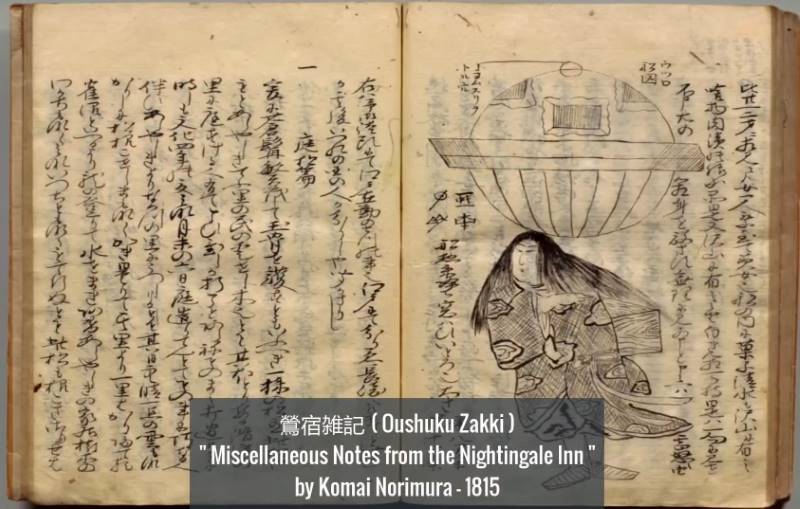
1995年にオリジナル原稿の調査を始めて以来、似たようなストーリーを語る文書が合計12件以上発見されている。 直近では2012年、2014年、2021年に発見された。ほとんどの文書で一致しているのは、1803年に常陸国に女性を乗せた奇妙な丸い船が漂着したということだ。その女性は青白い肌で、奇妙な服を着ており、箱といくつかの物資を持ち、未知の言語を話していた。 (1:10:11)
しかし、それぞれの説は矛盾や矛盾に満ちている。例えば、その出来事が起こった場所については論争がある。ある資料では、浜の名前は「原鳥」であったとされ、別の資料では「原田の浜」であったとされている。検証の結果、田中博士はどちらの浜も架空の場所であり、存在しなかったことを突き止めた。徳川時代の地名は、日本の多くの文献に詳細に記録されていたからだ。徳川時代の地名は、日本の多くの文書に詳細に記録されていたからだ。当時の地図、書物、辞書には、そのような地名はなかった。 (1:10:44)
たとえ浜の名前が変わっても、記録から元の名前をたどることができる。 この話の2つ目の問題は、出来事の日付である。12の文書には4つの異なる日付が記されている。 2月5日、2月22日、3月24日、3月26日である。この話のもうひとつの問題は、ボートが接岸した浜辺の所有権である。 小笠原越中守が所有していたという情報もある。また、小笠原和泉が所有していたという情報もある。 (1:11:25)
田中博士は徳川の記録に小笠原和泉の名前を見つけることができたが、1803年、あるいは他のどの時代にも常陸国に領地はなかった。一方、小笠原越智守は1803年に常陸国に3つの領地を持っていたが、問題は彼の領地が内陸部にあり、太平洋に面していなかったことだ。他にも、物体の大きさ、色、形、そして女性の運命について、海へ送り返されたとする資料もあれば、村人たちの中で暮らし、5日後に飲食を拒否したまま息を引き取り、知らない場所に埋葬されたとする資料もあるなど、各説の間には食い違いや矛盾がたくさんある。 (1:12:10)
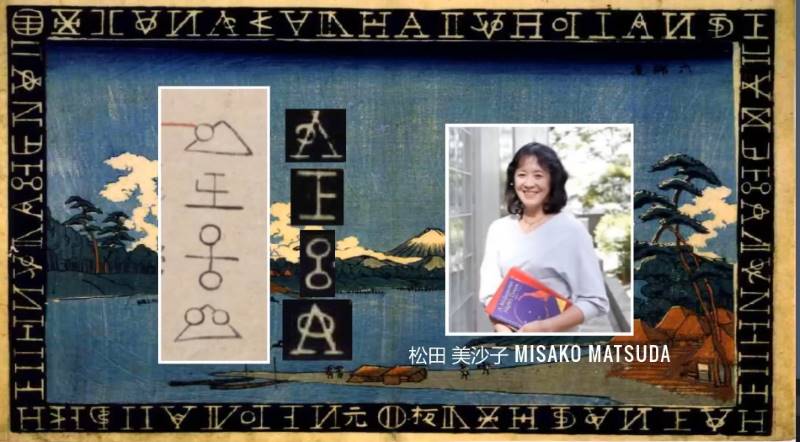
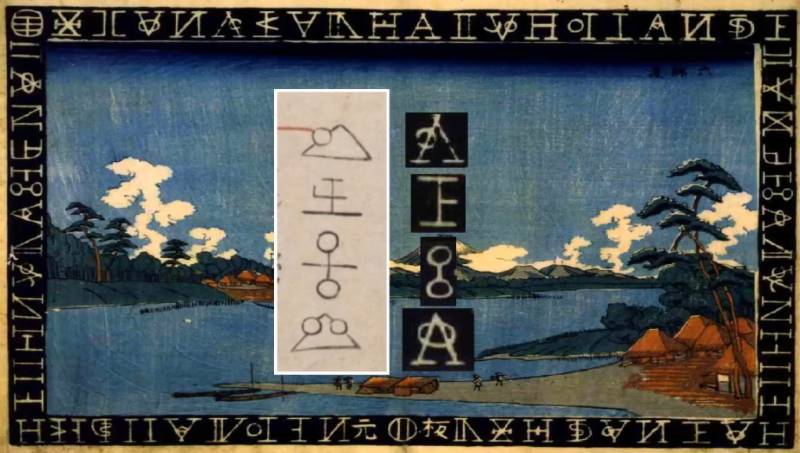
船の内外に描かれたシンボルについて、真上竜太郎という超常現象研究家は、愛染渓斎という画家が描いた興味深い絵の中に、似たようなシンボルが描かれているのを見つけた。愛染渓斎は1803年の事件と同時代に生きていた。 (1:12:29)
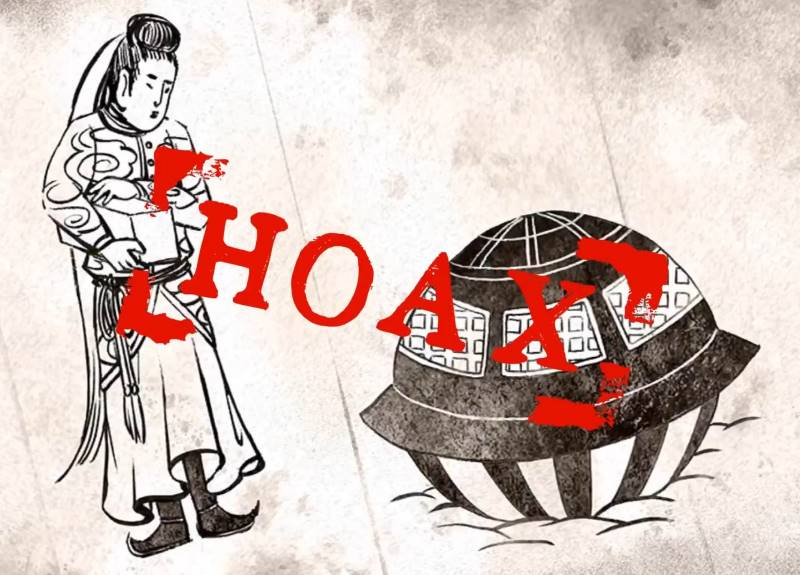
美しい女性を描いた絵や浮世絵で有名だった。 愛染はまた、風景版画のデザインも手がけ、その中にはアルファベットの額縁もあった。 ここでご覧いただいているデザインはランギフレームと呼ばれるもので、ローマ字を模した美術技法の一種である。比べてみると、篤郎船の記号はランギフレームとほとんど同じであることがわかる。慶應義塾大学の研究者、松田美佐子氏によれば、愛染がこの技法を取り入れたのは、一般的には個人的な実験や、西洋風の風景画として特別に依頼された作品に限られていたという。田中勝雄博士と柳田國男氏、そして他の歴史学者や専門家たちは、何年にもわたる広範な調査と研究の末、1803年の事件と他のすべての篤郎船物語は捏造であると結論づけた。 (1:13:27)
この結論の根拠は以下の通りである。1. この物語は、誰も真っ向から反証することも、信憑性を検証することもできないように構成されている。 2. 2.江戸時代の人々は、幽霊や妖怪など、超常現象的なものに大きな関心を寄せており、篤郎船のような異国の船の話があっても不思議ではない。3. この話は日本各地に伝わる民話に基づくものであり、人々は他所でも似たような話を聞いたことがあるため、簡単にこの話を信じてしまう。 (1:14:07)
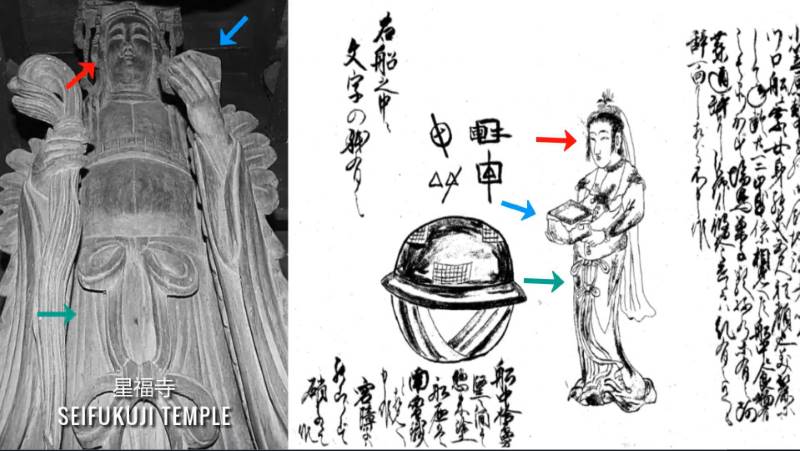
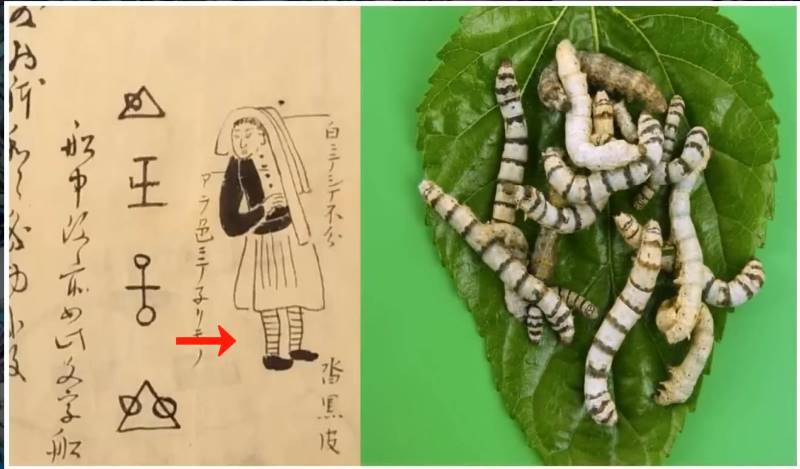
近年、田中氏は篤郎船の女性の絵に隠された意味や象徴があることを発見した。この絵では、横縞の長い靴下は蚕を象徴している。 4. この描かれた女性は、西福寺にある黄金の蚕姫像に非常によく似ている。同じ衣、頭飾り、蝶結び。目の形まで。 (1:14:39)
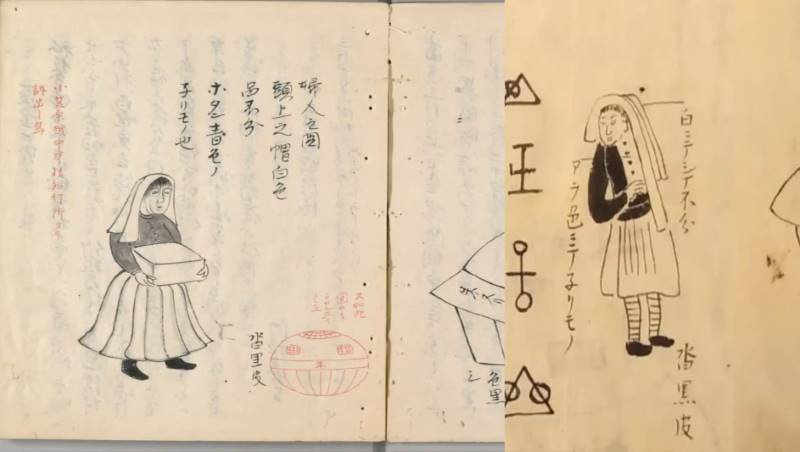
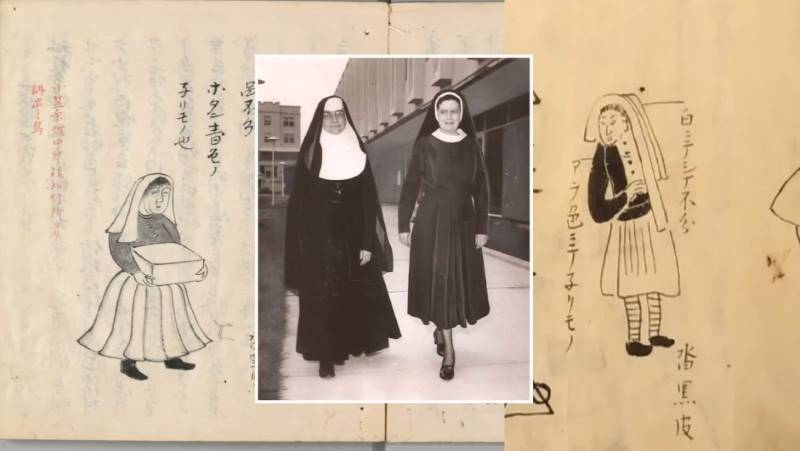
箱に関しても、黄金姫伝説に関連するシンボルで、蚕の卵が入っている。他の日本の研究者やUFOマニアは、舟篤郎女性の他の2枚の絵に新しい意味を発見した。 ここに見られるように、彼女が着ている服は他の絵とは全く異なっており、修道女の服に酷似している。 (1:15:11)
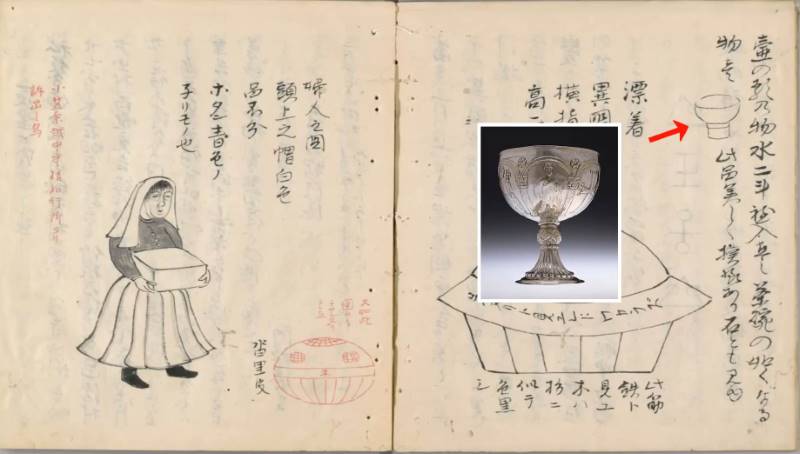
船の中から発見されたカップも、聖体拝領の際に聖酒を入れる聖杯に似ている。また、本文ではその女性は若く美しく、赤い髪と美しい白い歯を持っていると書かれているが、この文書を書いた人は、その女性を老けて見え、しわくちゃで不気味な顔をしている女性として描いている。これは、民間伝承と鎖国主義の影響による日本人の西洋人に対する認識を反映しており、この結論の4番目のポイントにつながる。この出来事の歴史的背景を見ると、江戸時代は日本の極端な鎖国的対外政策が特徴であった。 (1:15:51)
その時代、日本の統治者は他国との影響力や貿易を制限していた。この鎖国政策の主な理由は、政治的安定を維持し、キリスト教の普及を防ぎ、外国勢力の影響力を制御することであった。こうした政策のため、他国に関する情報は乏しくなり、しばしば不正確で間違ったものとなった。一般市民にとって、日本を超えた世界は神秘的で、エキゾチックで、恐ろしいものとなった。 (1:16:21)
農村の漁師や村人にとって、白人ヨーロッパ人との遭遇は、現代で言えば宇宙からの異星人との遭遇のようなもので、稀有で恐ろしいものだっただろう。1543年、ポルトガル人がヨーロッパ人として初めて日本を訪れた。彼らの船は南から航海しているように見えたので、日本人は南蛮と呼んだ。 (1:16:47)
その後1600年に到着したオランダ人も同様に南蛮と呼ばれたが、赤毛を意味するコモという別の名前も与えられた。日本の民間伝承では、赤髪は赤頭巾、キジムナー、猩々など、いくつかの超自然的な存在と関連している。また、ヨーロッパ人は文化や技術、外見において日本人とは大きく異なっていたため、彼らの民話に登場する生き物のように、神秘的で突飛、怖くて魅力的な存在とみなされることが多かった。民話や鎖国主義が、日本人の西洋人に対する認識や、芸術における西洋人の初期の描写に与えた影響については、いくつかの例がある。 (1:17:33)
ここに見られるように、ポルトガルの貿易商や探検家は長い鼻と風船のようなズボンで描かれている。 (1:17:38)
もう一つの例は、マシュー・ペリー中佐の肖像画です。西洋人は青い目の野蛮人と呼ばれることがあったが、ヨーロッパ人と出会ったことのない画家たちは、そのような青みがどこにあるのか、少し混乱していた。そこで、虹彩を青く描く代わりに目玉を描いたのだ。この肖像画の他のバリエーションには、日本の神話や民間伝承の要素が取り入れられている。 (1:18:16)
ここにあるように、ペリーは人間というより、凶暴で悪魔のような存在に見える。こうした誇張された不正確な表現はすべて、限られた情報と文化的理解、そして民間伝承、想像力、ステレオタイプの影響の結果である。最後に、この話の信憑性の大きな問題は、政府の記録にはこの事件についての記述がゼロであり、民話集にしか記載がないことである。 (1:18:46)
常陸国は首都からそう遠くなく、太平洋に面していた。徳川時代、海岸は国家の安全保障にとって非常に重要だった。したがって、そのような出来事を隠すことは極めてあり得ないし、常陸の浜辺で見知らぬ船と外国人女性という信じられないような出来事が、徳川時代の公文書に記録されていないというのも非現実的である。 (1:19:07)
要するに、1803年の宇津呂舟事件は、絹姫伝説にインスパイアされた作者の想像上の物語に過ぎないということだ。そして、外国人を主人公にした物語であるため、女性の赤い髪、色白の肌、ヨーロッパ風の服装、ローマ風の未知の文字など、西洋人に関連する要素が盛り込まれた。 また、ストーリーに信憑性を持たせるために、ボートをモダンで洗練されたものにした。 (1:19:48)
1990年代に田中博士が調査を始めた当初は、1803年の事件は難破したロシアの捕鯨船に関する単なる脚色された記述だと考えていた。しかし、公式記録にはそのような災害に関する記述は見つからなかった。何年もかけて研究が進むにつれ、田中博士は様々な仮説を探った。 (1:20:13)
田中博士は、たとえこの話がフィクションであったとしても、ずっと古い伝聞に基づく真実の要素が含まれている可能性があり、その女性はヨーロッパの冒険家、スパイ、あるいは政治的、宗教的に重要な人物であった可能性があると推測したことがある。 しかし、何年にもわたる広範な調査の結果、田中博士は、これまでに収集したすべてのデータに基づいて、この話はまったくのでっち上げであり、現実には何の根拠もないと完全に確信している。 (1:20:42)
田中博士はまた、うつろ舟を現代のUFO目撃談と比較することを批判し、奇想天外であるとした。田中博士は、うつろ舟はあらゆる伝説の中で、決して自力で飛んだり動いたりしなかったし、飛行能力や並外れた技術の兆候も見せなかったと指摘した。 彼らはただ水面を漂うだけだった。さらに、物体の内部にはいかなる装置、機械、航行システムも発見されていない。 (1:21:11)
▼原文 展開
And Uemino Chiri, written in 1844, by Nagahashi Matajiro. The tale captivated the UFO community worldwide, and became popular in modern Japanese culture, mainly because of the artistic depictions accompanying the text, which bear striking resemblance to the classic portrayal of flying saucers. The case became known as the Atsuro Bune UFO incident of 1803, and sparked a lot of debate and discussions among believers and skeptics. Several historians, ethnologists, as well as researchers from different fields, have discussed the legend as part of a long-standing tradition within Japanese folklore. (0:57:10)
Meanwhile, certain ufologists, as well as proponents of the ancient astronaut theory, claim that the story could be evidence of a close encounter of the third kind with an extraterrestrial life. Most of the descriptions and details regarding the tale that I'm about to discuss are from Kyokutei Bokin's manuscript, the Butoen Shosetsu, since it contains the most detailed version of the story, compared to others. The story goes as follows. (0:57:38)
It all began in the coastal region of the Hitachi province, in a small village near the Haridori beach. The inhabitants were living a peaceful and simple life. (0:57:55)
Their lives revolved around mundane activities, particularly fishing. One day, a bizarre incident disturbed the tranquility and peace of the village. One morning in 1803, while the local fishing crews were busy casting their nets, seeking fresh and bountiful catch, they noticed what looked like a vessel, drifting in the distance. But, there's something strange about it. Its appearance was very unfamiliar to them, and didn't resemble the conventional boats they usually see. (0:58:28)
Intrigued and concerned, several fishermen volunteered to investigate the situation. They slowly and cautiously approached the mysterious vessel, attached some ropes to it, and towed it to land. Once on land, they proceeded to closely examine the object. It was 3.30 meters high, and 5.45 meters wide. Its upper part appeared to be made of red-lacquered rosewood, and had three windows, made of glass or crystal, covered with a metal grid, and clogged with some kind of tree resin. The glass was thick, making it difficult to see what's inside. (0:59:10)
A thickened rim encircled the boat's middle section. The lower part was covered with metal plates, which appeared to be made of iron, of the highest quality. The overall shape of the object reminded the fishermen of a wooden rice pot. Others compared it to a bowl full of rice, while others compared it to an incense burner. (0:59:37)
Some fishermen knocked on the object to see if it's completely solid, but were surprised by the hollow sound it emitted. Suddenly, one of the windows opened like a hatch, and a mysterious woman came out of the vessel. She was a lone passenger. She appeared to be in her early 20s, and was over 1.5 meters tall. Her skin was very pale. (1:00:04)
She had red hair and eyebrows, and the hair was elongated by artificial white extensions, which could have been made of white fur, or thin white-powdered textile streaks. The hairstyle was completely unknown to the Japanese. She wore long and smooth clothes, made of unknown fabrics. As she descended from the boat, she grabbed a yellow box with her, which she always clutched, and didn't allow anyone to touch it, no matter how kindly or pressingly the witnesses asked. (1:00:33)
Whatever its content was, it must have been of great value for her. The fishermen attempted to communicate with her, but she spoke in an unknown language, making it impossible for them to determine her identity and origins. Throughout the interaction, the woman displayed friendliness and courtesy, while occasionally behaving in an odd manner. One of the fishermen climbed the boat to investigate its interior, and upon entering the vessel through the hatch-like window, he found that the inside was decorated with texts and symbols, written in an unknown language. (1:01:03)
Depending on which story you read, there were symbols both in the interior and exterior of the object. It is also said that one of the symbols inside the vessel resembled the flag of the Joseon dynasty in Korea. Various items were found inside the boat, including what appeared to be soft bed sheets or carpets, a large bottle filled with water, some cakes, and kneaded meat. (1:01:28)
Other sources mention the discovery of a beautifully decorated cup, with ornaments no one could identify. (1:01:35)
The villagers detained the woman and tried to decide what to do with her. One of the witnesses who was present at the scene, who was an old man from a nearby village, theorized that she was possibly a foreign princess, exiled by her father because of an extramarital love affair that resulted in her lover's execution. Subsequently, she was put in this boat by force and left to the mercy of the sea. (1:02:01)
Her lover's severed head is inside the box, and this is why she wasn't willing to let anyone hold it. Moreover, the old man claimed that in the past, a very similar boat with a woman, had washed ashore on a close-by beach. During that incident, a small board with a pinned head was found. (1:02:25)
The content of the box could therefore be the same, which would certainly explain why she protects it so much. If this theory turns out to be correct, it would lead to a political problem, and that would imply some sort of cost, because it would cost lots of money and time to investigate the woman and her boat. (1:02:42)
Since it seems to be a tradition to expose those boats at sea, the villagers thought they should bring the woman back to the mysterious boat and let her drift away, which was what they ended up doing. Using gestures, the fishermen forced the woman to go back to the boat. They then pushed it back to the sea and watched it slowly drifting out of sight. (1:02:59)
She was never seen again. Kyokutei Bakin, the author of the manuscript, speculated that the woman might have been a foreigner from Britain, Russia, or America. The text ends with the author's request for anyone with information about this incident to come forward and share their knowledge. In 1844, Kyokutei Bakin conducted the first historical investigation of the Utsuro-Bune incident. He came across a book, called, Roshia Bunkin Roku, meaning, Records of Seen and Heard Things from Russia, written by Kanamori Kinken. The book provides descriptions of traditional Russian clothing, hairstyles, and a popular method of dusting hair with white powder. (1:03:47)
It also mentions that many Russian women have natural red hair, and that they wear skirts, similar to that of the Lady of the Legend. The accounts in the book are most likely based on the experiences of Daikokuya Kodayu, a Japanese castaway who spent nine years in Russia. Based on this book, Kyokutei suggested that the woman in the Utsuro-Bune incident might have been of Russian origin. (1:04:16)
He also questioned the origin of the alleged exotic symbols, found inside and outside the boat, because he is convinced that he had seen similar signs on a stranded British whaling ship, shortly before riding Tōen Shōsetsu. Further investigations of the Utsuro-Bune incident were done, between 1925 and 1962, by ethnologist and historian, Inajita Kunio. He pointed out that circular boats were not unusual in Japan, and in Asia in general. (1:04:46)
The only details that made the boat look exotic, were the glass windows, clogged with tree resin, as well as the metal plates. (1:04:51)
Mr. Kunio added that the report seems to be based on a variety of Japanese folklore, known as Utsuro-Bune or Utsubo-Bune, a series of stories handed down through generations, that preserved the ancient national memory of Japanese immigration. In ancient times, people immigrated to the Japanese islands from different parts of Asia, using simple dugouts. These small boats were referred to as Utsuro-Funei, Utsubo-Funei, or Utsuro-Bune, which all mean hollow boat in Japanese. After arriving at a Japanese island, some dominant families in Japan created the folklore, based on the national memory and myth, in order to bolster the political legitimacy of their rule. (1:05:36)
In these tales, a founding member of a family, usually a noblewoman, would be said to have come across the sea by boat. She is then rescued by someone, and in most cases, is sent back to the ocean. In the early versions of the folklore, the boat was a simple dugout, which is presently used in southern Asia. However, as time went on, people forgot the original shape of the dugout. (1:06:01)
To give credibility to the story, people had to improve the boat in the folklore, because skeptics claimed that it would be impossible to travel across such a long distance in the ocean, in such a simple dugout. So, a dome with windows was added to the simple boat. There are several other documents about Utsuro-Bunei sightings in Japan. For example, in a book titled, Hirakata Zuihitsu, we find a story that describes a round boat, docking at Yoshidora, in the Itsumi district, which is the present-day Toyohashi city, in the Aichi prefecture. (1:06:41)
The incident occurred on May of the 11th year of Jinroku, which corresponds to 1698 AD. It is said that there was only one woman in the boat, and that she was carrying a man's head in a box. Locals tried to interrogate her, but they were unable to communicate with her, because of the language barrier, so they sent her to Nagasaki. Another Japanese legend is that of the origin of the Kono clan, of the Aio province. (1:07:07)
In the 7th century, a fisherman named Wakagoro, from Gogo island, found a 13-year-old girl inside an Utsuro-Bunei, drifting at sea. He brought her to land, where she told him that she was the daughter of a Chinese emperor, and that she had been forced to escape her stepmother. The fisherman named her Wakahime, meaning, Princess Wakai, and raised her, before she married an imperial prince from the Aio province, and gave birth to a son named Akamiko, the ancestor of the Kono clan. (1:07:37)
A part of this folktale held that she was responsible for bringing the first silk cocoons to Japan. Princess Wakai is still worshipped at the Funakoshi Wakahime shrine, in the village of Funakoshi, on Gogo island. Another legend that shares a lot of similarities with the Utsuro-Bunei stories, is the legend of Kanjiki-hime, or the Golden Princess. It is said that in 286 BC, during the Yayoi period, a fisherman named Gondave, discovered a small wooden boat drifting at sea. (1:08:10)
Inside the boat, he discovered a beautiful young girl, who explained that she was a princess from India. Her mother had died, and her father remarried, but the stepmother hated her, because she was very beautiful, so she plotted to abandon her on a mountain, located in a remote island, but she miraculously survived. The Indian princess awarded the kindness of the fisherman and his wife, by bestowing on them the secrets of silk farming. (1:08:38)
Several relief carvings depicting the story, can be found in one of the shrines where the princess is worshipped. One of the carvings shows the princess inside an Utsuro-Bunei with a dome, while Gondave is heading towards her to save her. (1:08:55)
With the advent of the modern UFO phenomenon and the birth of ufology in the early 1950s, along with the introduction of the ancient astronaut theory in 1968 by Eric von Daniken, the Utsuro-Bunei incident of 1803 has garnered way more attention than before, and has been thoroughly examined and investigated by numerous historians and researchers. Among them is Dr. Katsuo Tanaka, a professor for computer and electronics engineering, from the Gifu University at Tokyo, who is renowned for having dedicated a lot of time and effort to solving the mystery. (1:09:38)
Since he began investigating the original scripts in 1995, a total of over 12 documents recounting similar stories have been uncovered. The most recent discoveries were made in 2012, 2014, and 2021. What most of the documents agree on is that a strange round boat with a woman on board washed ashore in 1803 in the Hitachi province. The woman was pale-skinned, wore strange clothes, carried a box and some supplies, and spoke an unknown language. (1:10:11)
However, each version of the story is full of inconsistencies and contradictions. For example, the location of the event is contested. Some sources say that the beach's name was Haradori, while others say its name was Harata no Hama. Upon verification, Dr. Tanaka found out that both named beaches are fictional locations, and never existed, because the names of places during the Tokugawa period were well-recorded and detailed in many documents in Japan. No such names were found in any maps, books, or dictionaries of that time. (1:10:44)
Even if the beach names were changed, the original names can still be traced in the records. The second issue with the story is the date of the event. The 12 documents give four different dates. February 5th, February 22nd, March 24th, and March 26th. Another problem with the story is the ownership of the beach, where the boat was brought to shore. Some sources say it was owned by Ogasawara Echinokami. Other sources say it was owned by Ogasawara Izumi, different individuals, but both related to the same family. (1:11:25)
Dr. Tanaka was able to find Ogasawara Izumi's name in the Tokugawa records, but he had no territory in the Hitachi province in 1803, or in any other period. Ogasawara Echinokami on the other hand had three territories in the province in 1803, but the problem is that his territories were inland, and didn't face the Pacific Ocean. There are lots of other discrepancies and contradictions between the versions of the story, in terms of the size, color, and shape of the object, as well as the fate of the woman, with some sources saying that she was sent back to the sea, while others say she lived among the villagers, and passed away five days later, after refusing to eat or drink anything, and was buried in an unknown location, etc. (1:12:10)
As to the symbols inside and outside the boat, a paranormal researcher by the name of Ryutaro Managami, came across some interesting paintings by an artist named Keisai Aizen, showing similar symbols. Keisai Aizen lived during the same period when the 1803 incident occurred. (1:12:29)
He was famous for his paintings and ukiyo-e prints of beautiful women. Aizen also designed landscape prints, some of which, included alphabetic picture frames. The designs you're seeing here are known as Rangiframe, and were a form of art technique, that imitated Roman letters. Upon comparison, it becomes clear that the symbols on the Atsuro Bune look almost identical to the Rangiframe. According to researcher Misako Matsuda, from the Keio University in Tokyo, Aizen's adoption of this technique was generally limited to personal experiments and works, that were specifically commissioned as western-style landscapes. After years and years of extensive research and investigations, Dr. Katsuo Tanaka, and Mr. Yanagida Kunio, along with other historians and experts, concluded that the 1803 incident, as well as all other tales of the Atsuro Bune, were fabricated. (1:13:27)
The basis of this conclusion is as follows. 1. The story was constructed in a way so that no one can outright disprove it, or verify its credibility. 2. The people of the Edo period shared great interests in paranormal things, such as ghosts, monsters, and all kinds of oddities and things that are out of the ordinary, so it would not be surprising to find stories of exotic boats like the Atsuro Bune. 3. The story is based on folklore that has been handed down in many parts of Japan, and people will easily believe this story, because they have always heard similar stories elsewhere. (1:14:07)
In recent years, Mr. Tanaka has discovered that the drawings of the Atsuro Bune woman contain hidden meanings and symbolisms, which seem to refer to the legend of the Golden Princess. In this drawing, the long socks with the horizontal stripes, symbolize silk worms. 4. In this depiction, the woman is very similar to the statue of the Golden Silkworm Princess, in the Sifukuji Temple. The same robe, headdress, and bow knots. Even the shape of the eyes. (1:14:39)
As to the box, it's also a symbol related to the legend of the Golden Princess, and contains silkworm eggs. Other Japanese researchers and UFO enthusiasts have uncovered new meanings in two other drawings of the Atsuro Bune woman. As you can see here, the clothes that she is wearing are completely different from the other drawings, and bear a striking resemblance to a nun's outfit. (1:15:11)
Even the cup that was discovered inside the boat, resembles the chalice that holds sacramental wine, during the Eucharist. And although the text describes the woman as young and beautiful, with red hair and beautiful white teeth, the writer of the document depicted her as an old-looking woman, with a wrinkled and creepy face. This reflects the Japanese's perception of Westerners, due to the influence of folklore and isolationism, which brings us to the fourth point in this conclusion. When looking at the historical context of this event, the Edo period was characterized by Japan's extreme isolationist foreign policies. (1:15:51)
During that time, the rulers of Japan restricted foreign influence and trade with other countries. The main reasons for this isolationist policy were to maintain political stability, prevent the spread of Christianity, and control the influence of foreign powers. Because of these policies, information about other countries became scarce, and was often inaccurate and wrong. The world beyond Japan to the average citizen became mysterious, exotic, and frightening. (1:16:21)
An encounter with a white European person would have been a rare and scary sight for rural fishermen and villagers, akin to encountering an alien from outer space in modern times. In 1543, the Portuguese were the first Europeans to visit Japan. They were referred to as Nanban by the Japanese, which translates to southern barbarians, because their ships appeared to sail from the south. (1:16:47)
The Dutch, who arrived later in the year 1600, were called Nanban as well, but were also given another name, Komo, meaning red hair, or red-haired people. In Japanese folklore, red hair is associated with several supernatural beings, such as the Akagashira, the Kijimuna, and the Shoujo. And because Europeans were very different from the Japanese, in terms of culture, technology, and physical appearance, they were often regarded as mysterious, outlandish, scary, and fascinating, just like the creatures in their folk tales. There are several examples of the influence of folklore and isolationism on the Japanese perception of Westerners, as well as their early depictions of them in art. (1:17:33)
As you can see here, Portuguese traders and explorers are shown with long noses and balloon-like trousers. (1:17:38)
Another example is the portraits of Commander Matthew Perry. Westerners were sometimes referred to as the blue-eyed barbarians, but some artists, who had never encountered Europeans before, were a bit confused about where such blueness resided. So, instead of painting his irises blue, they painted his eyeballs. Other variations of the portrait have elements of Japanese mythology and folklore incorporated in them. (1:18:16)
As you can see here, Perry looks more like a ferocious and demonic entity than a human. All these exaggerated and inaccurate representations are the result of limited information and cultural understanding, as well as the influence of folklore, imagination, and stereotypes. Lastly, the major problem with the credibility of this story is that there's zero mention of the incident in government records, and is only found in folktale books. (1:18:46)
The Hitachi province was not far from the capital and faced the Pacific Ocean. The beach was very important for national security during the Tokugawa period. Therefore, hiding such an event is extremely unlikely, and it is also unrealistic to believe that such an incredible incident involving a strange boat and a foreign woman on a beach in Hitachi hasn't been recorded in any official documents of the Tokugawa period. (1:19:07)
So, long story short, the Utsuro-Bune incident of 1803 was just an imaginary story, whose writer was inspired by the old legends of the silk princesses. And because the story revolves around a foreigner, they included some elements related to Westerners, such as the woman's red hair, her pale skin, her European-like clothes, as well as the unknown Roman-like letters. They also made the boat look modern and sophisticated, in order to add some believability to the story. (1:19:48)
When Dr. Tanaka first began his investigation in the 1990s, he initially believed that the 1803 incident was simply an embellished account concerning a shipwrecked Russian whaler, but was unable to find any mention of such a disaster in official records to confirm his theory. As his research progressed over the years, Dr. Tanaka explored various hypotheses. (1:20:13)
He once speculated that even if the story was fictional, it could still contain some elements of truth, based on much older hearsay, and that the woman was possibly a European adventurer, a spy, or a figure of political or religious importance. However, after years of extensive research, and based on all the data he has gathered so far, Dr. Tanaka is now completely certain that the stories were entirely fabricated, and have no basis in reality. (1:20:42)
Dr. Tanaka also criticized the popular comparisons of the Utsuro-bune with modern UFO sightings, and considered them to be far-fetched. He pointed out that the Utsuro-bune, in all the legends, never flew or moved on their own, did they show any signs of flight capabilities or extraordinary technologies. They simply drifted motionless on the water. Furthermore, no devices, machines, or navigation systems were found inside the objects. (1:21:11)
Nonetheless, he stated that he is still open-minded about the possibility that one day, historians may stumble upon unknown materials related to the Utsuro-bune, containing new revelations, that could completely change our understanding and interpretation of the stories. (1:21:25)
I hope you enjoyed this video, and if you did, then hit the like button, and subscribe to my channel. If you'd like to show your support and appreciation for my work, consider donating via PayPal, or Ko-fi. Your generosity will help me continue making more informative content for you. The links are in the description below. Thank you for watching, and I'll see you all, in the next video. (1:22:00)
動画(1:22:03)
19th Century UFO Cases Volume 2
www.youtube.com/watch?v=cXZQPUrQ-KM
動画概要欄
2,800 views Mar 17, 2024
Welcome to my channel ! I am a UFO researcher and in this series I cover UFO cases, history and literature that predate the advent of the modern UFO phenomenon in 1947. in the 2nd volume i discuss the following topics:
(2025-02-02)